Where Curiosity Meets Discovery
Every child holds a natural wonder for the world around them. What if learning could feel less like studying and more like an adventure?

Every child holds a natural wonder for the world around them. What if learning could feel less like studying and more like an adventure?
Picture this: a seven-year-old finds a peculiar leaf in the garden. Instead of scrolling past it, she stops. She touches its texture, observes its veins, asks questions about why it looks different from others.
That pause—that moment of genuine curiosity—is becoming rarer. Screens dominate. Instant answers replace exploration. But what if we could bring back that sense of wonder?

Children spend an average of 6 hours daily in front of devices, missing tactile, real-world learning experiences that build critical thinking.
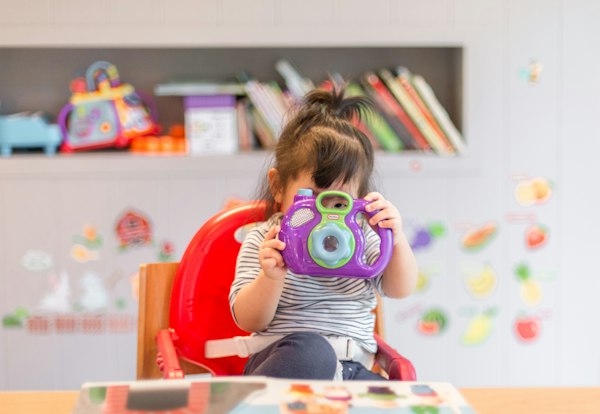
Most educational toys offer surface-level engagement without connecting concepts to the natural world children will inhabit as adults.

Fewer children can identify common plants, understand weather patterns, or appreciate ecosystems—knowledge that was once fundamental.
Studies show children who engage with nature-based learning demonstrate improved focus, enhanced problem-solving abilities, and greater emotional resilience compared to those who don't.
The key isn't more information—it's structured exploration. When children interact with natural concepts through hands-on activities, their brains form deeper neural pathways that support long-term retention and creativity.
Our educational kits combine scientific accuracy with genuine play. Each set focuses on a specific aspect of the natural world, designed to unfold gradually as your child explores.
Rather than providing instant answers, these kits encourage observation, experimentation, and discovery—the same methods scientists use to understand our planet.
Explore Our Kits
"My daughter used to need constant entertainment. After three weeks with the Forest Explorer kit, she spent an entire afternoon documenting insects in our garden. She initiated it herself."
— Rachel, Cardiff"I was sceptical about another 'educational toy'. But watching my son explain cloud formations to his grandfather—using terms he learned from the Weather Watcher set—that was different."
— James, Manchester
Everything needed to identify trees, track wildlife signs, and understand woodland ecosystems through hands-on investigation.

Learn meteorology fundamentals by measuring, recording, and predicting weather patterns over time.

Explore geology through specimen examination, hardness testing, and understanding how rocks form beneath our feet.

Discover how plants, insects, soil, and microorganisms interact to create thriving garden habitats.

Master constellation identification, moon phase tracking, and basic astronomy through guided observation activities.

Investigate pond, stream, and puddle ecosystems while learning about aquatic habitats and water quality indicators.
Select your preferred kit above, then complete your details below to receive your educational set.
Each kit arrives with a comprehensive guide explaining how to use every component effectively. If your child doesn't engage with the material within 30 days, we'll work with you to find a better-suited option.